


 Unlock with Patreon
About This Episode
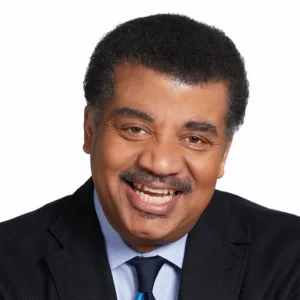
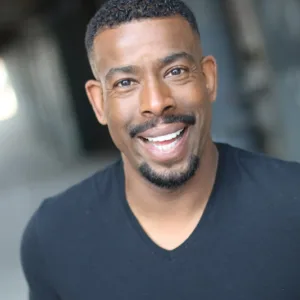
Is there a limit to how small life can be? Or how big? Neil deGrasse Tyson and Chuck Nice break down why all craters on the moon are round, the scale to life, and why the length of the day isn’t 24 hours.
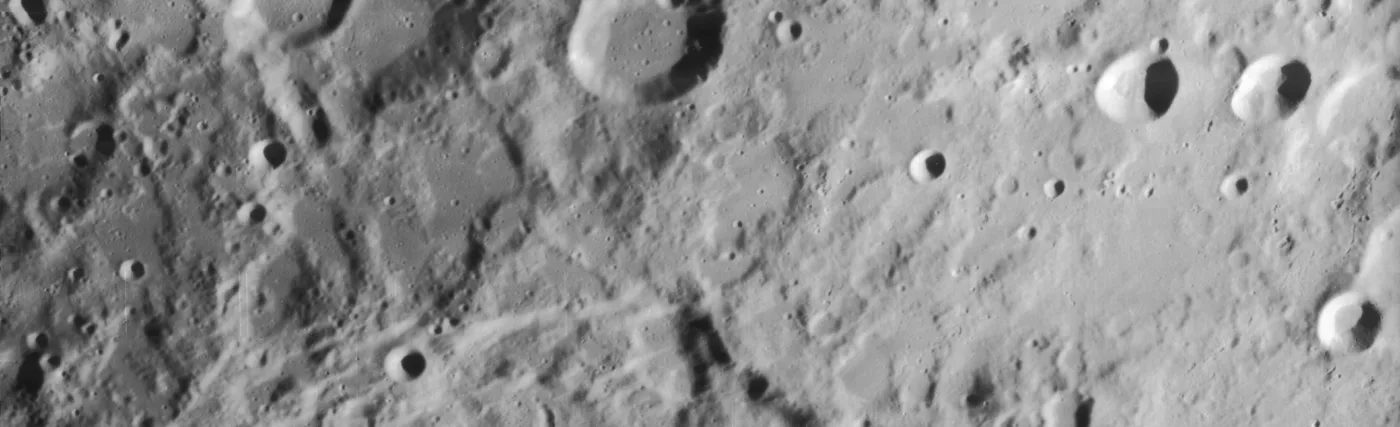
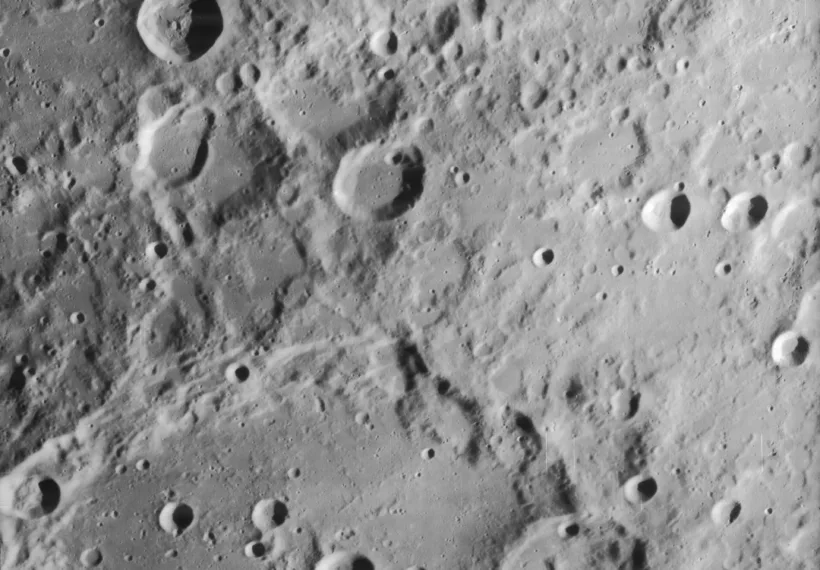
Why are craters round? Even when asteroids hit surfaces at different angles and speeds, all craters end up round. To start, Neil tells us why the original scientific thinking behind the shape of craters had to do with volcanoes. You’ll find out why the invention of computers, and the use of simulation, allowed us to advance the science forward. Discover more about “high-speed collisions” and why kinetic energy has an important role to play when it comes to crater shape. Neil also tells us why the same thing that happens to craters happens to snowballs when you throw them against a wall. All that, plus, does the atmosphere have anything to do with the shape of craters?
Neil explains why a “sidereal day” is 23 hours, 56 minutes, and 4 seconds and a “solar day” is, on average, 24 hours. You’ll learn why Earth’s orbit around the sun impacts how we measure the length of the day. Should we re-define the length of a second? Discover more about leap seconds and how we decide when to add them to the calendar. Find out more about atomic clocks and sun dials. Neil explains why the Earth is slowing down and why the Moon is spiraling away from us. We also discuss how tides serve as a counter-balance to the Earth’s rotation. All that, plus, we explore the many things that can impact Earth’s rotation including seasonal animal migrations, earthquakes, melting land glaciers, and more!
We break down scaling in physics, explain why small animals are so strong relative to their size, and why you can’t have a being the size of a galaxy. We discuss surface tension and why some bugs can walk on water or up walls while we can’t. Plus, we also explore how small life could possibly be when life has complexity that requires a certain amount of molecules.
Thanks to our Patrons THOMAS, Peter Woolridge, Bill deRome, Andrew Agee, Scott, Ronald French, Honey Bunches of Oats, Adam Tucker, Theo Packer, Suhas Thobbi, Mixtape Romeo, Mykel North, Phillips Booker, LeeAnn, Michael Maguire, Michael King, Barbora Pechová, Garner Stewart, Jonathan Granat, Alexa Birchall, Pete Bienkowski, Jonathan Whyte, Nicholas Freemyer, Autumn Dawn, Jamie Rushton, Michael S Culver, James D Hebert Jr, Anand S, Tod Byrd, Mack Farid, FullArgon, Deb Mukherjee, jaberwocky, drumbuzzyrich, Ralts, Christopher James, Edvinas Mačiulaitis, Karl Kramer, B.A., Maurits Buijs, Kel Wegesser, Steve J – LakeCountySpacePort, Stacy Smith, Len Leake, Shari Zabel, Justin McBride, Matthew Chouinard, Kevin McManus, Δημήτρης Τομπάλογλου, Dean Magauran, Nicole Barrett, Anatoly Zenkov, Elmer G., ROBERT ALLEYN, KL03, Bryan Reynoso Campos, and Caitlin for supporting us this week.
NOTE: StarTalk+ Patrons can listen to this entire episode commercial-free.
 Become a Patron